Dear Friends,
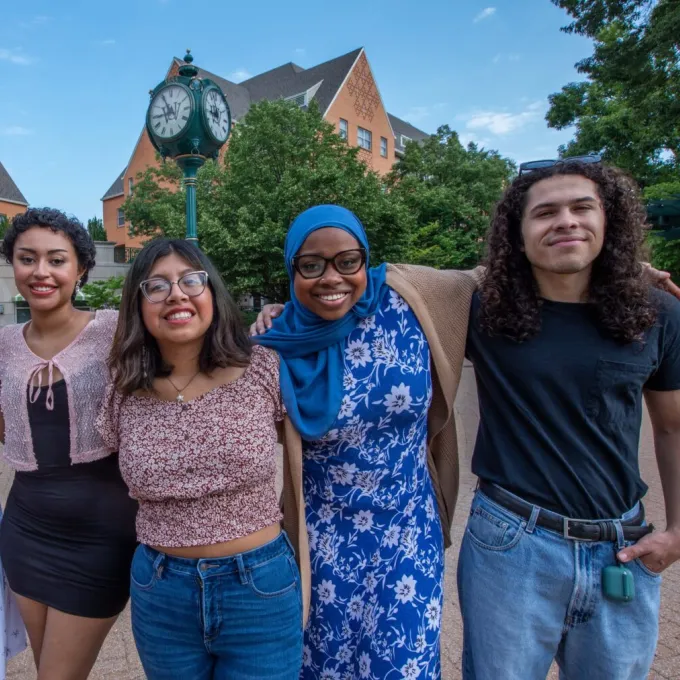
This January many students -- members of the “Anxious Generation” -- arrived in our department visibly worried. In a world beset with war, climate change, political polarization, and technological change (including the rise of AI), they have a lot to be concerned about. They’re not alone.
According to the American Psychological Association’s annual survey, Americans overall are more stressed about the country’s future – 76% of all Americans said the future of the nation is a significant source of stress in their lives as of December 2025.
At WashU, we recognize that there is a tremendous volume of uncertainty in the world, and a lot of it centers around one major issue: the growth of artificial intelligence. That’s why the university is working to support students as they navigate this new and evolving world.
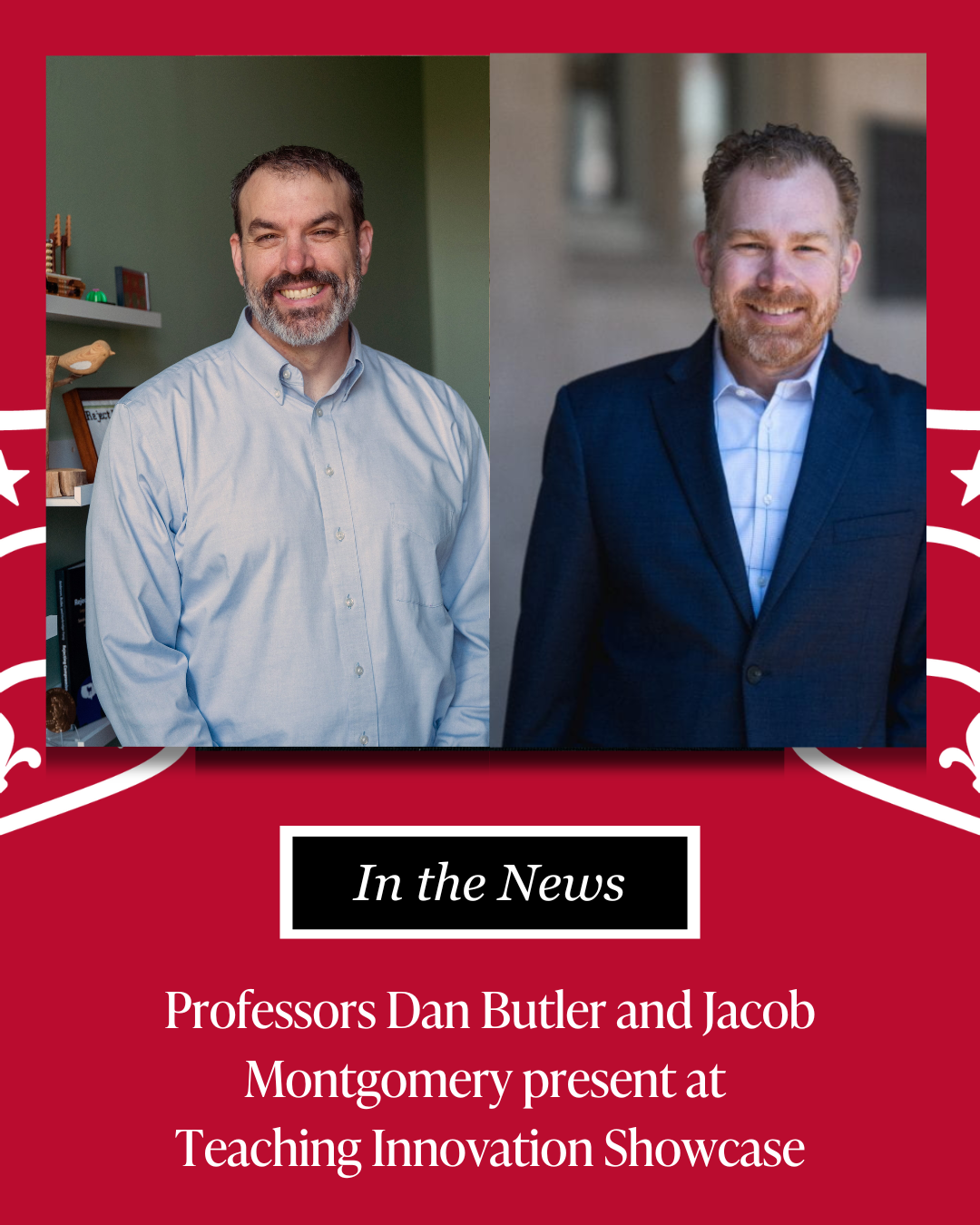
For example, for his undergraduate political methodology course, Professor Jacob Montgomery built a personalized chatbot for his students that gave them hints on homework, but not answers. This technology can provide personalized 24-7 learning support that makes this course – one required for all our majors -- more inclusive while also ensuring that the students don’t miss out on the opportunity to meaningfully engage with the material. Professor Montgomery’s work was recognized by the university this year where he won the Arts & Sciences “Innovates” program for teaching.
In another example, I am co-teaching a writing intensive course this semester where we have built a personalized chatbot for each student to which they can upload their previous writing. Each week, we ask students to do some writing on their own as well as ask their chatbot to write for them. The students then compare the output of the two. Next, they upload the new version of their writing into their chatbot, so that the bot can improve. This process has helped the students identify their own narrative voices while also helping them understand the capacity of generative AI. It shows them both the strengths and limitations of this technology.
In our department we recognize the growth of artificial intelligence as a profoundly interesting problem for political science to navigate. What are the political institutions that can provide meaningful regulation? How should national security intersect with companies that deploy large language models? How do we navigate concerns about environmental sustainability and the local politics of data centers? What are ways we can navigate ethical use and political biases?
We are committed to teaching our students to navigate the world they live in. This includes helping to reduce their stress and to assure them that we can move forward into this new technology together. Along with the previously mentioned courses, we are developing new courses and modules this semester that interrogate AI and expand foundational skills via the newly developed AI Curriculum Corps. Next year we anticipate new course offerings that will range from new best practices for programming to meaningful examinations of the ethics of AI. If you have a suggestion for a course that should be listed, please let me know.
For now, enjoy reading about all the accomplishments of our department.
Onwards!
Betsy Sinclair
Chair, Political Science Department
Thomas F. Eagleton University Professor of Public Affairs and Political Science